
|
|
![]() |

|
|
|
|
|
NEW
FISHING REPORTS as of 9/7/10 click HERE
|
Updated September 7, 2010
NEW September 2010
September at Lake Mohawk consists of monitoring the Lake for Oxygen, Temperature, and Secchi disc visibility. Phosphorus measurements will be taken throughout critical locations within the lake as part of a feasibility study for a sedimentary dose of Aluminum Sulfate (Alum). Alum as you may know is used in the drinking water industry as a coagulant. Alum has the capability of combining with sedimentary phosphorus to help control summer time blue-green algae blooms.
Due to many factors which include aquatic plant resistance to chemicals at this time of the year, treatment of the lake will be limited to blue-green algae control (if necessary) for the preparation of the Oktoberfest festivities.
Oktoberfest Lake Exhibit
Please stop by the Lake Mohawk Oktoberfest "Lake Exhibit" for information on the Lake which includes:
Fishing Aquatic Plants and Algae Depth Contour Mapping
Latest Updates from the Lake Restoration & Protection Committee
Lake Mohawk as of July 30th, 2010 is doing very well from a biological and overall aesthetic perspective. The oxygen/temperature profile is excellent for this time of the year. Please read below for more detail on this subject.
Blue-green algae are being controlled/suppressed from reaching "bloom" proportions through minimal doses of algaecide (copper sulfate) which has no water contact restrictions. A non-copper based algaecide will be tested this month. (please continue reading below for more detail).
There are a few areas of the lake which contain nuisance levels of aquatic plant growth. Nuisance aquatic plant control will conducted on a "general priority" basis which includes areas behind boats and personal swim areas of lakefront property owners as the budget permits.
As you may remember, aquatic plants DO HELP in naturally controlling blue-green algae.
Those lakefront property owners who DO NOT mind having a few low growing plants in front of your property your tolerance of these plants is appreciated. These plants will also help with any erosion problems you may have with your seawall or shoreline area not to mention the good they will do for the ecology of the lake.
Those lakefront property owners who DO mind having plants in front of your property, I fully understand. It is relatively easy to confine treatments to your area. I try to look for areas that have obvious signs (inflated swim platforms) that swimming takes place in front of your property. If I overlook your area, please let me know and I will treat your area in the most timely manner possible. Treatment of your area will NOT adversely affect the overall ecology of the lake.
NEW
Blue-Green Algae & Oxygen-Temperature Relationship
Several of the most useful indicators of a lakes overall "health" is the combination of water clarity readings (secchi disc) and dissolved oxygen/temperature profiles.
Water clarity can be affected by both inorganic (silt, mud, ect.) and organic (planktonic algae, etc) substances. The most significant factor affecting water clarity at Lake Mohawk is phytoplankton (tiny floating algae cells/plants). Our target water clarity values for this time of year is a value between 4-5 feet. Note - Tappan currently has a value that is less than 2 feet.
In order to safely and effectively manage certain nuisance blue-green algae conditions, we must be aware that there is also good or beneficial tiny algae plants. Our goal is to preserve the good algae while controlling the bad (blue-greens). Fortunately, Lake Mohawk seems to have a single species of blue-green algae that causes most of the bloom issues as seen below.
Photomicrography by Jeff Gray
This species of algae is VERY sensitive to low doses of copper algaecide. In addition, this species of algae floats to the surface of the water in the morning and on calm overcast days. With this information in mind, we can custom design our algae treatment programs to use a minimal amount of copper algaecide which adversely affects many aspects of the lake both long and short term. In addition, we are currently experimenting controlling this species of blue-green algae with NON-Copper based algaecides.
By selectively controlling the "bad algae" and keeping the "good algae", we can provide a healthy and safe balanced lake for both fishermen and recreational users of the lake without concern of various toxins or long and short term ecological damage.
OXYGEN/TEMPERATURE PROFILE COMMENTS
I am extremely please with the oxygen/temperature profile considering the time of year and relatively high water temperatures.
In order to appreciate the oxygen temperature data, it is important to know what an algae bloom will do to the profile.
During an algae bloom, the top layers of the water will become "super-saturated" with oxygen (very high oxygen values) while the layers directly beneath become very low in oxygen.
The reason is that you have high concentrations of blue-green algae at the surface producing oxygen which in turn shades out lower phytoplankton & plants from producing oxygen. Also, as the cells from algae and tiny animals die, they fall to the dense thermocline where they go through "bacterial degradation" - a process that uses oxygen.
In summary - An algae bloom will produce an oxygen profile that has higher oxygen concentrations in the top layers while being significantly lower in the bottom layers.
The July 7th, 2010 oxygen/temperature profile indicates the "start" of a blue-green algae bloom. Notice how the upper layers are climbing into the 9 + range while the 12 & 15 foot levels are dropping to (4.7 & 0.3 respectively)
Now take note of the current (July 30th, 2010) oxygen temperature information. Notice how relatively close the oxygen values are from the surface down to 15 feet. Oxygen improved through the 15 foot depth level following two (2) relatively "light" copper sulfate applications on July 8th, & July 27th, 2010. Also notice how there was no dangerous oxygen declines following controlled treatments for blue-green algae.
FAQ's during this time of the year.
Question: Why do I see light green "dustings" on the the surface of the lake, especially in the mornings on calm days ?
Answer: The light green "dust" you see on the lake is the species of blue-green algae that we are keeping under control. Any light coatings are of extremely low density and do not represent a hazard to humans at those levels. This "light green dust" will quickly mix into the water column as the day progresses under wind, wave, and sun action. Periodic low dose algae treatments at optimum times will keep this type of growth to a minimum.
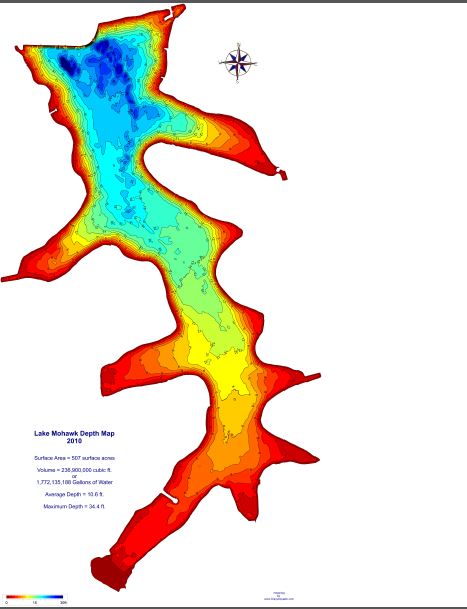
Click on Map to see larger version
Depth and GPS data were collected on June 17th for the purpose of producing a bottom contour depth map (Bathymetric Map). 6GB of data has been compiled to reveal the underwater landscape of Lake Mohawk. This type of map is useful in planning for sediment removal, determining the effectiveness of sediment removal (checking the work of the contractor), water volume and average depth determinations, and large scale early season systemic herbicide treatments with fluridone.
Click HERE to see the current underwater map of Lake Mohawk
Treatment Area/Date Information
August 5th - Nuisance Aquatic Plant Control (11.5 surface acres - Spot Shoreline Treatment)
August 4th - Blue-Green Algae Control (507 surface acres)
July 27th - Nuisance Planktonic Algae (375 surface acres)
July 14th - Naiad/Milfoil Portions of Bays 8 & 12 and West Shorelines (8.5 surface acres)
July 8th - Planktonic Algae Treatment (300 surface Acres)
July 7th - Naiad/Milfoil - North Shore - Bay 13 (2.5 surface acres)
Filamentous algae/Milfoil treatment was applied on June 25th to the following areas: Click HERE to see the June 25th Treatment Map
Filamentous algae/Milfoil treatment was applied on June 17th to the following area in Bay 6: Click HERE to see the June 17th Treatment Map
Click HERE for Historical Treatment Information
Total Area Treated to date = 173.5 surface acres (not including blue-green algae treatments)
Fishing Report by Joe Jacko
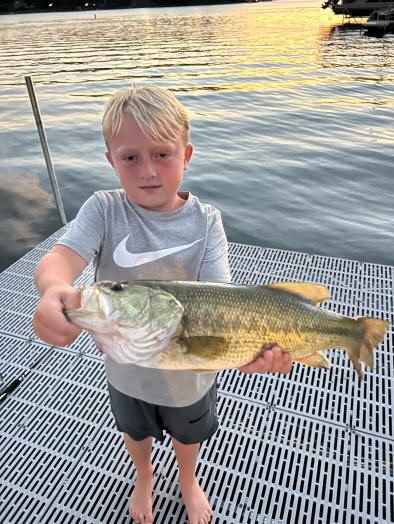
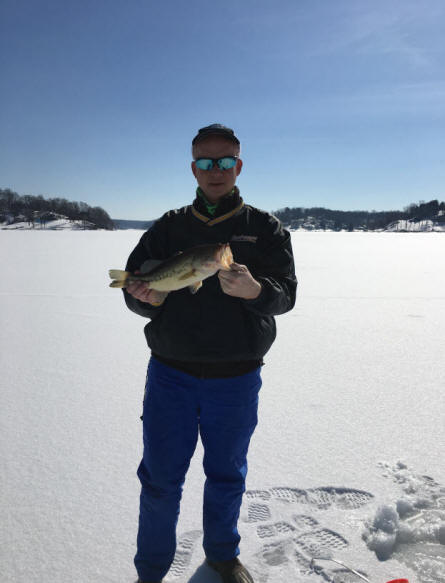
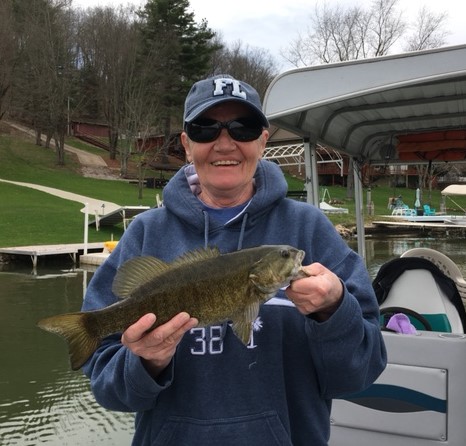
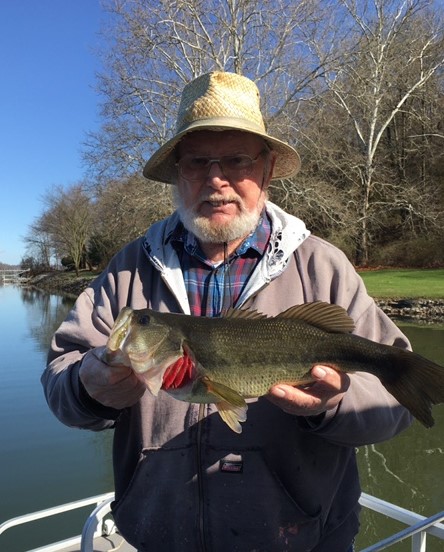
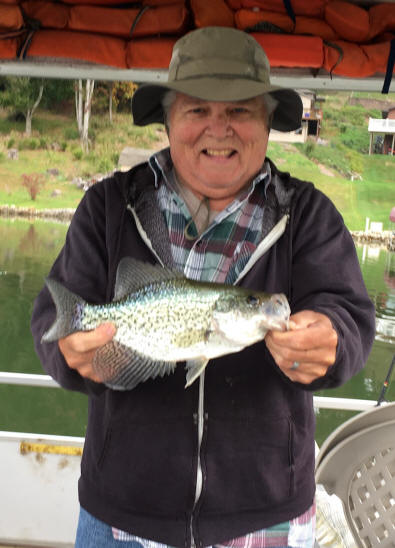
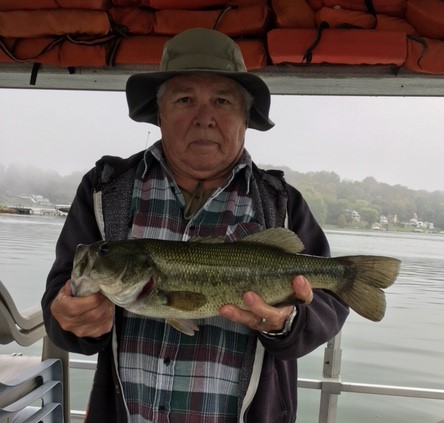
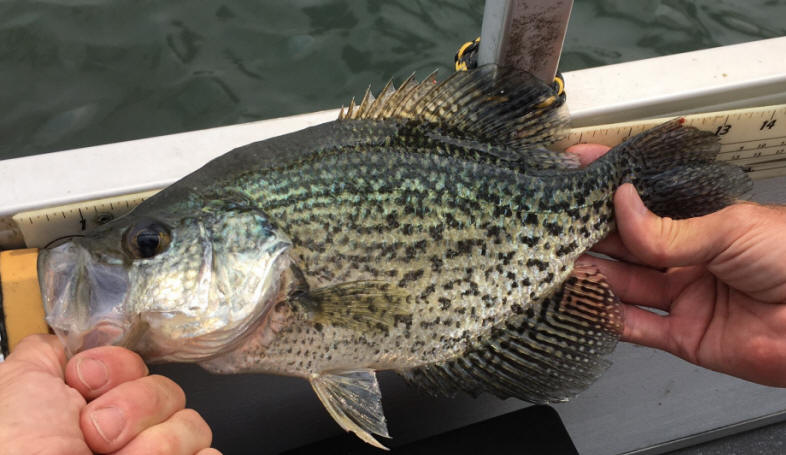
The Lake / Fishery is doing awesome. The fish the Sportsman Club are seeing at the weigh ins show no signs of stress from chemical applications. The fish are clean of sores and show good size. In years past we would see fish with big heads and little bodies. Currently the fish are eating well and have proportionate size and may I say look fat at times. Last year we fished around 30 tournaments and only weighed in one fish over 6 lbs. (6.1 lbs). This year with 8 tournaments completed we already have seen two fish over 6 lbs. (6.2 lb caught on 04/05 & 6.1 lb caught on 04/26). The club has weighed in 281 total Bass and released 279 back to the lake. Note: The 2 that were foul hooked and unfortunately died were taken home and not wasted. After 8 tournaments we currently have a 99.2% successful catch and release rate. YTD Total weight brought in to the weigh ins after 8 tournaments is 696.09 lbs. Additional observations all other species in the seem to be thriving in the current environment as well. I have seen quality Crappies, Blue Gills, Northern Pike and Small Mouth Bass as well. I have not seen and or have heard of any Walleyes being caught in some time.
If you can mention if any one would like to participate in the Sportsman Club Monday night tournament new faces are always welcome :)
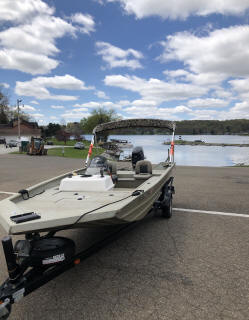
This photo is from May 15th, 2010. This little girl caught her first Bass on artificial bait dragging a tube in the marina.
Historical Treatment Area/Date Information
Milfoil Treatment was applied on June 4th & June 8th to the following areas: Click HERE to see the June 4th/8th Treatment Maps (Total Area treated on June 4th = 5 surface acres) (Total Area treated on June 8th = 7.5 surface acres)
CLP/Milfoil Treatment was applied on May 19th to the following areas: Click HERE to see the May 19th Treatment Maps (Total Area treated on May 19th = 37.5 surface acres)
CLP Treatment was applied on May 4th through May 6th Click HERE to see the May 4th through May 6th Treatment Map
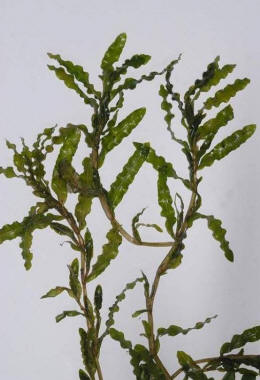
2010 Lake Treatment for Curlyleaf pondweed began April 27th, 2010. Click HERE to see the April 27th Treatment Map
Note: The current treatment program is with the use of CONTACT herbicides. Reward/Aquathol K will be applied to quickly and effectively control the Curlyleaf pondweed population as it matures. There are NO water contact restrictions with the use of Reward or Aquathol K. Please see label and MSDS information link for complete information Chemical Information
CONTACT herbicides often provide the most economical solution to nuisance aquatic plant problems however; the plants must be present in sufficient density for the chemical control program to be effective and cost efficient.
Those who never wish to see a (CLP) plant emerge should be aware that a systemic herbicide (Sonar/White Cap) does exist to control the plants earlier however at a MUCH greater cost. Sonar/White Cap/Avast is applied in March/April to control nuisance plants such as pondweeds, milfoil, etc. . Higher lake management costs result in higher dues, something that we are trying to avoid if at all possible.
Harvesting, Sediment Removal, Phosphorus Inactivation, and other methods of lake management continue to be researched by Lake Mohawk Restoration and Protection Committee. Current members of the Committee include: Mr. Eric Howland, Mr. Scott Noble, Mr. Ron Tschantz, Mr. Pat McCormick, Mr. Kevin Myszka, Mr. John Fawcett, & Mr. Joe Jacko
NEW (5/1/2010) "I HATE WEEDS" vs. "I Love Aquatic Plants" Below
NOTE: 2009 Lake Mohawk Restoration Report Now Available Please click the "button" below to download report in PDF format
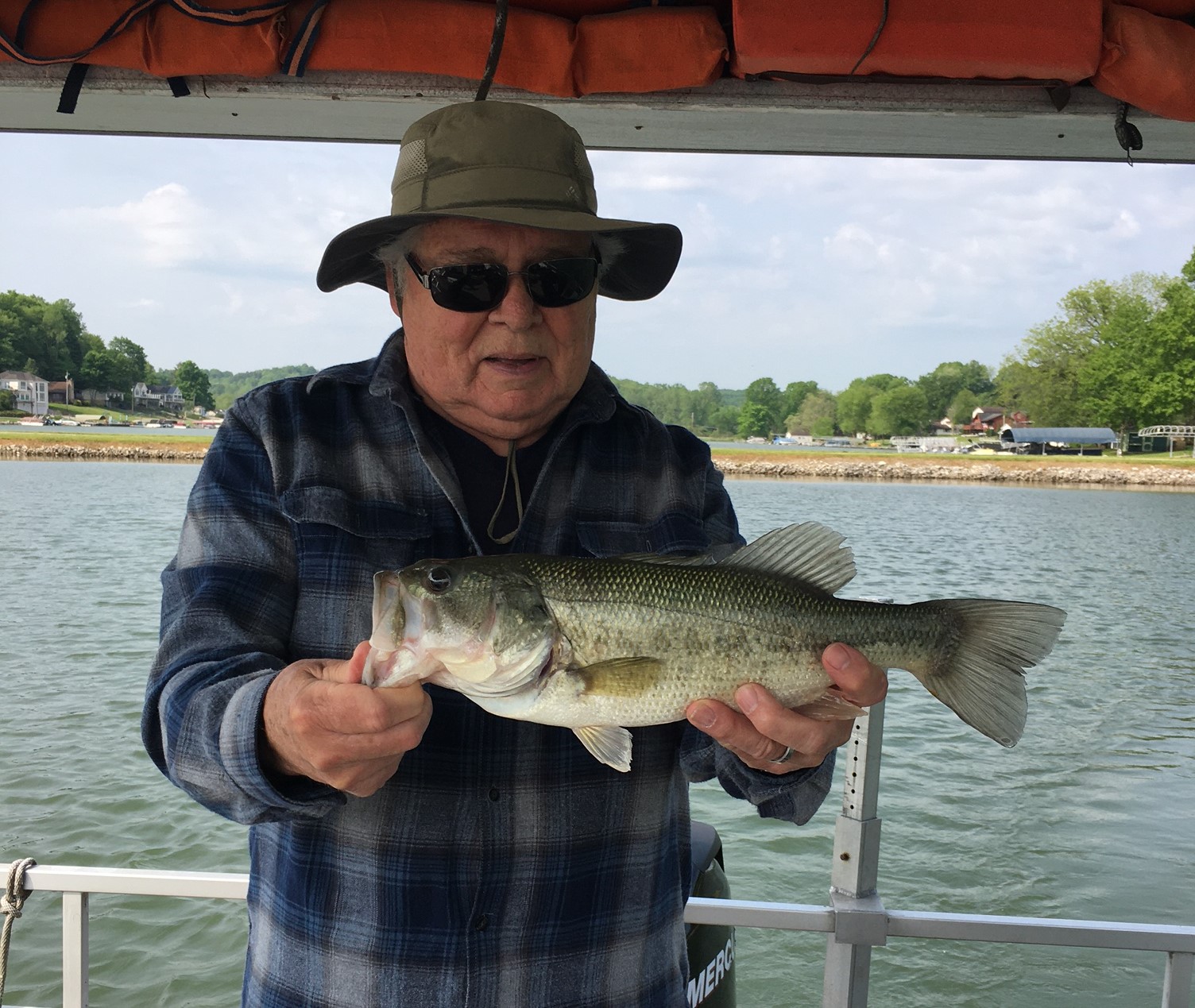
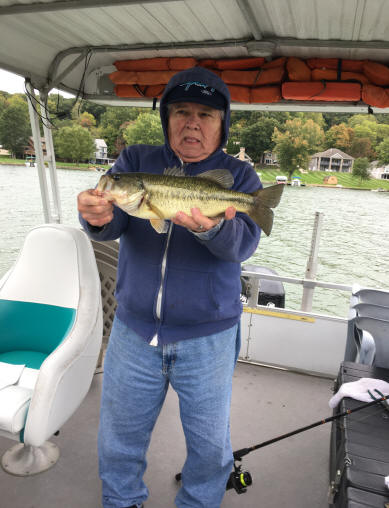
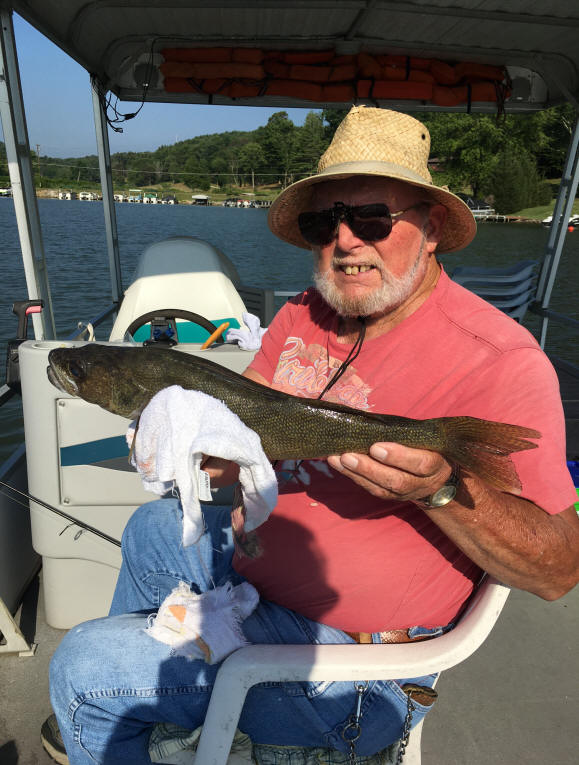
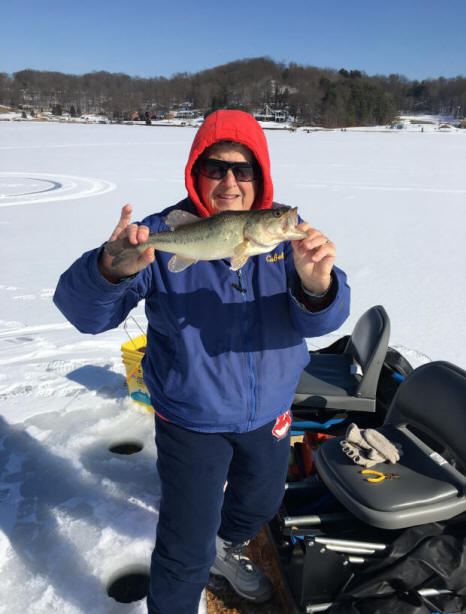
Thank you Nina and Dane (Great Looking Fish from Lake Mohawk)
Eco-Friendly Lake Management
Welcome to the Lake Information site for the Lake Mohawk Property Owners Association.
This site is dedicated to keeping the members of Lake Mohawk informed about the aquatic ecology of Lake Mohawk. This site will be updated as new information becomes available and will discuss issues such as water quality, fishing, nuisance aquatic plant and algae control, and other general topics of interest. If you have any comments, questions, or suggestions for this web site please contact me at your convenience. JeffGray@GraysAquatic.com
Grays' Aquatic Services Lake Management Philosophy and Mission Statement
Through my education and many years of experience in the study of freshwater lakes (Limnology), I have learned that by working with "Mother Nature" rather than against Her, you can enhance freshwater aquatic ecosystems by selective integrated control of nuisance aquatic plants and/or algae. Timing, the proper selection of chemicals, [some of which fully biodegrade into harmless (H)ydrogen, (C)arbon, and (O)xygen], and when possible, selective mechanical harvesting can all work together as an integrated approach to improving property values, sport fisheries, as well as recreational usage from skiers, pleasure boaters, etc..
My mission at Lake Mohawk is to serve, educate, and answer all questions about the aquatic ecosystem that is the focal point of this beautiful lake community. It is my desire to further enhance the existing fisheries while minimizing any negative impacts this may have on recreational boating, etc.. Monitoring the "health" of the lake and posting my results on this web site is also a priority. Above all, I am here to serve the greater good of the Lake Mohawk Property Owners Association and will at anytime be available to answer questions or to respond to concerns or observations regarding lake conditions.
NEW - May 1, 2010
"I Hate Lake Weeds & Algae (Boaters, Skiers, Tubing, Etc.) vs. "I Love Aquatic Plants" vs. "I Could Care Less About the Lake"
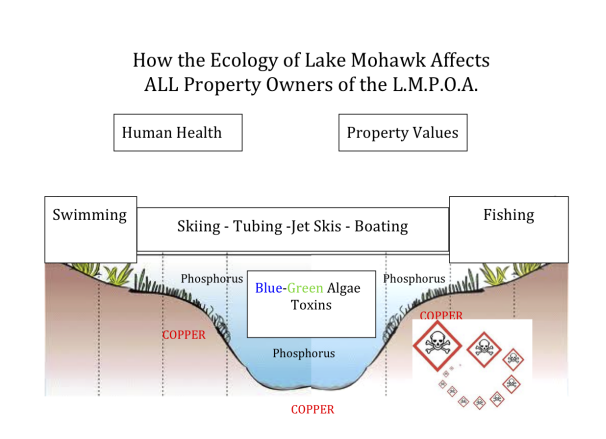
This new section is for the purpose of bringing the Lake Mohawk Community together for the common good of all individuals. Property values, personal health, and recreational activities (boating, skiing, fishing, wakeboarding, tubing, etc) ALL depend on having a WELL BALANCED LAKE. Hopefully, this section will enlighten you on the value of sound lake management.
Aquatic Weed Haters
Too many aquatic weeds destroy the recreational value of a lake, especially from a skier's or boater's point of view. It is completely understandable why a skier or anyone having water contact with the lake water would not like aquatic weeds. Aquatic weeds become entangled in propellers, jet ski intakes, as well as around the arms and legs of those skiing and tubing.
While the simple solution to aquatic weeds seems to be adding chemicals to eliminate the problem, chemicals also kill BENEFICIAL PLANTS, plants that actually help you have a BETTER skiing lake, etc.. Sort of like bacteria in our own bodies, we need the BENEFICIAL bacteria while we try to prevent the "bad bacteria". One reason why too many antibiotics are not good for us...
WE ALL KNOW ABOUT BLUE-GREEN ALGAE AFTER OUR EXPERIENCE IN 2009. Blue-Green algae as we know can close down a lake due to the toxins they can produce. BENEFICIAL PLANTS help naturally control blue-green algae by
1) Stabilizing sediments (remember sedimentary re-suspension of phosphorus) 2) Competing for nutrients such as phosphorus 3) Secreting inhibitory chemicals
BENEFICIAL LOW GROWING plants also crowd out many tall and undesirable plants such as Curlyleaf Pondweed, Milfoil, etc..
Finally, plants established in near shore (30-40ft or less) areas provide excellent wave buffers that not only stabilize shorelines to prevent shoreline erosion, but also to prevent waves from regenerating back into the middle of ski zones. Those homeowners that have "swim zones" in front of their homes, will have the aquatic plants controlled in your areas. If you have a special request to eliminate the plants in front of your home, simply e-mail or call me at your convenience leaving your lot number and special request.
So......what we have to do as weed haters is to understand that some species of aquatic plants will help us have a better recreational summer. As weed haters, we can expect to control the less desirable species of plants out of our "play" zones. Is it reasonable to expect that no plant fragments will cross your path? Probably not unless your lake is so filled with toxic substances that no plant will survive.
Please remember, Lake Mohawk is 507 surface acres. Approximately 40-60 acres of the lake becomes populated with undesirable plants that inhibit recreation. These 40-60 acres are currently being "maintained" to eliminate the "undesirable" tall types of plants that inhibit your recreation. Memorial Day will be much more pleasant this year than in 2009.
Aquatic Plant Lovers (Fishermen, Tree Huggers)
Okay....you love weeds so much that you could care less if Lake Mohawk turned into a swamp. In fact, you would like to see lilies and cattails all around the lake. You can now WAKE-UP :) As you already may know, Mother Nature can be pretty ruthless to many of the organisms that you cherish.....such as largemouth bass, smallmouth bass, etc.. Too many aquatic plants can stunt growth, cause summer fish kills, cause winter fish kills, and pretty much make it impossible to go fishing even with those 150 HP motors.
As the chart below indicates, game fish production goes down when plant populations reach 35% plant cover. Just as with the Aquatic Weed Haters, Blue-Green algae can adversely affect you also. Blue-green algae secretes toxins which can be directly toxic to the fish or to the fish flesh that you may consume. Blue-Green algae also starts to kill rooted aquatic vegetation by limiting the light to those plants.
Many of the plants that are NOT desirable for fishing are the SAME plants that are NOT desirable for skiers, boaters, etc.. So......when we control (kill) the UNDESIRABLES at LAKE MOHAWK, please do NOT think that we are killing ALL the aquatic plants in the lake.
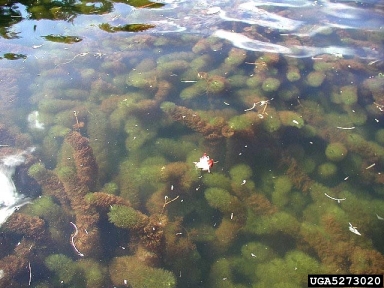
Specifically, we are trying to control MOST (NOT ALL) of the Curlyleaf Pondweed as well as the Milfoil. We are trying to maintain much of the Naiad in addition to the advanced form of algae known as Nitella. Nitella is now making a "strong" presence in the lake. While most people will mistake this growth for an aquatic plant, it is actually an advanced form of algae.
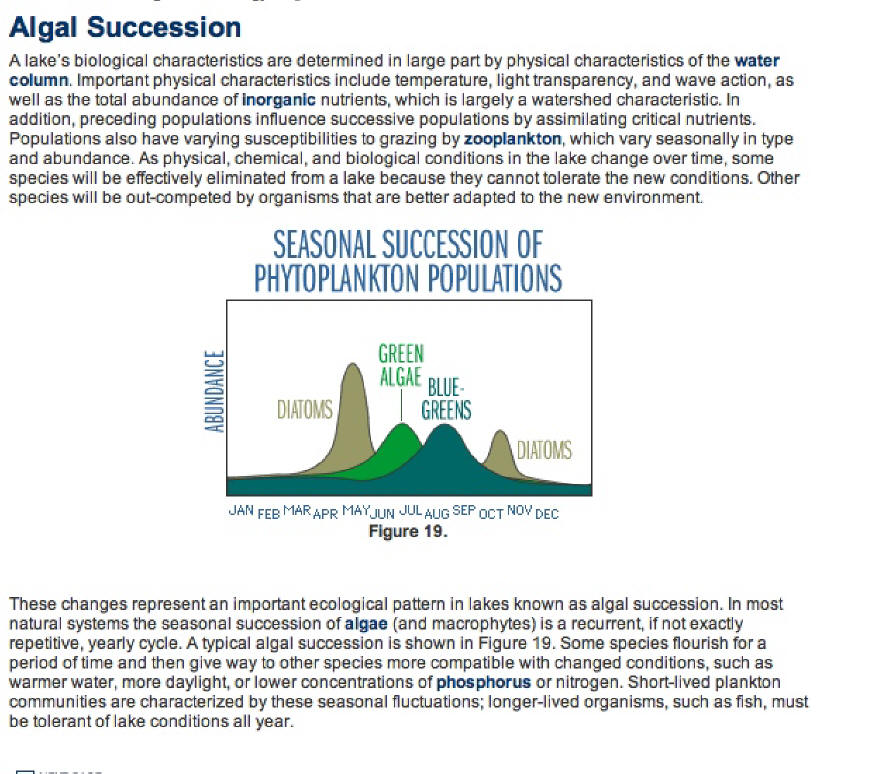
Okay...now for the little microscopic critters in the water. We want to control the blue-green algae while maintaining the "green algae" (yes...there is a difference). The green algae are the "good algae" (most of them) and are less susceptible than blue-green algae to copper. Our 2010 blue-green management strategy therefore is to treat with low doses of copper so we don't kill the green algae OR the Nitella mentioned above.
Fishing - The ideal fishing lake consists of approximately 35% aquatic macrophytes (plants). The graph below shows the relationship between the amount of aquatic plant cover and the largemouth bass/sunfish population in a lake. As the graph indicates, when plant cover becomes less than 35%, the fish relative fish production of both sunfish and bass declines. Conversely, as plant cover increases above 35%, the largemouth bass population declines while the sunfish population increases. In summary, aquatic plant cover to some degree is required to maintain a healthy fisheries.
Please submit your fishing photos for publication to this website.
I Could Care Less About Aquatic Weeds, Plants, Etc.
Believe it or not, there are a good number of people that do not use the lake at Lake Mohawk. They could care less one way or the other about the lake.........EXCEPT how it effects their property value.
A WELL BALANCED LAKE is like "money in the bank". Too much copper on the bottom of a lake has the potential to destroy the ecology of the lake as well as the property values of homes......not to mention what we are leaving our family, friends, and lifelong residents, children, and following generation of young adults.
On the other side, allowing the lake to go "completely natural" also has the potential to ruin property values, impair recreation, and adversely affect our health.
The answer; become involved, have patience, educate yourself, and work with the individuals that are trying to make your Lake Community a better place to live.......NOT only for Today....BUT for Tomorrow as well.
Copyright 2010 Grays' Aquatic Services
|
NEW Rainfall - Lake Level Data Click HERE
|
||||||||||||||||||||||||||||||||||||||||||||||||||||||||||||||||||||||||
|
|
|